
Each public breach reveals more than a security failure. It provides a lens into attacker behavior, organizational blind spots, and the structural weaknesses that continue to challenge even the most mature cybersecurity programs. For security executives planning for resilience in 2025 and beyond, the latest data breach disclosures present some of the most valuable and underutilized intelligence available today.
This article breaks down the most consequential lessons security leaders should extract from these disclosures. Using a blend of case studies, industry research, and expert analysis, it reframes breaches not as isolated events but as indicators of patterns that CISOs must understand to stay ahead. Whether related to visibility gaps, identity misuse, delayed cyber incident reporting, or misaligned investment priorities, the breaches of the last two years are reshaping the landscape in unignorable ways.
By examining these disclosures through a strategic lens, organizations can build more resilient architectures, reduce incident impact, and improve future breach preparedness. This aligns directly with Zentara’s mission: equipping enterprises with the clarity, intelligence, and engineering discipline needed to thrive securely in complex environments.
Why Recent Breaches Matter More Than Ever
The Expanding Attack Surface
Several high-profile breaches, including those covered by the Verizon Data Breach Investigations Report, highlight how digital expansion is now outpacing the controls needed to secure it. Cloud-native workloads, sprawling SaaS ecosystems, and operational technology integrations are creating environments in which attackers can discover and exploit gaps faster than defenders can close them.
Attackers now benefit from scale, automation, and globalized cybercrime networks. These advantages make the analysis of data breach disclosures essential because patterns repeat across organizations and industries.
Regulatory Pressure and Reporting Obligations
Increased transparency requirements from regulators like the U.S. Securities and Exchange Commission are accelerating both the frequency and speed of breach disclosures. The SEC’s updated rules on rapid cyber incident reporting, documented in detail by the SEC Cybersecurity Rule, have significantly raised the stakes for incident readiness.
This means two things:
- Breach disclosures now contain richer detail than previous years.
- Security leaders must analyze this emerging data to derive security leadership insights that inform budget, architecture, and governance decisions.
Transparent disclosure is no longer only a compliance exercise. It is now a source of lessons other organizations can learn from in real time.
Lesson 1: Identity Is Still the Weakest Link
The Dominance of Credential-Based Attacks
According to the IBM Cost of a Data Breach Report, compromised credentials remain the top initial attack vector across industries. This trend appears consistently throughout the most recent data breach disclosures, highlighting how attackers exploit authentication weaknesses far more than software vulnerabilities.
Even organizations with strong perimeter defenses often lack:
- robust MFA enforcement
- continuous session monitoring
- privilege lifecycle management
- identity threat detection capabilities
The repeated failures seen across industries confirm one truth: identity systems are often the most overlooked entry point for attackers.
Why Security Leaders Must Reprioritize Identity Security
Security leaders should view identity not simply as an access concern but as a foundational security control. As breaches continue to show, identity gaps create pathways attackers can exploit long before detection tools trigger alerts. This is a critical area for enterprise risk lessons, particularly as organizations adopt zero trust models.
Lesson 2: Visibility Gaps Enable Long-Term Attacker Dwell Time
How Attackers Exploit Blind Spots
Many data breach disclosures reveal extensive dwell time—weeks or months during which attackers quietly move through networks undetected. This stems from fragmented telemetry, insufficient log retention, and siloed monitoring environments.
Common blind spots include:
- unmanaged cloud identities
- SaaS application logs not ingested into SIEM
- devices or workloads without EDR coverage
- insufficient east–west network visibility
These recurring issues underline the need for integrated observability across the entire attack surface.
Why Comprehensive Telemetry Is No Longer Optional
Security teams cannot defend what they cannot see. Increasing detection speed requires:
- unified logging architectures
- behavior-based analytics
- strong identity–network correlation
- frequent visibility audits
These capabilities help identify suspicious movement early and reduce the impact of breaches before data is accessed or exfiltrated.
Lesson 3: The Gap Between Risk Perception and Reality Is Growing
Boards Are Asking Different Questions
As breaches continue to dominate headlines, security leaders face increasing pressure to translate technical threats into business impact. Yet many breaches demonstrate that organizations still undervalue areas that attackers routinely exploit. This disconnect points to a meaningful security leadership insights challenge: deciding which risks truly matter, not just which risks appear on compliance checklists.
Breaches frequently show insufficient investment in:
- identity threat defense
- supply chain validation
- continuous monitoring
- segmentation and isolation
- asset discovery and inventory
These deficiencies underscore the widening gap between perceived safety and actual exposure.
Aligning Budgets with Evidenced Risks
An effective cybersecurity strategy requires allocating funds to high-impact areas supported by breach intelligence. The most cost-effective defensive strategies are those targeted at attack vectors repeatedly exploited across data breach trends 2026. This is not only efficient but directly tied to resilience outcomes.
Lesson 4: Cloud Misconfigurations Continue to Drive High-Impact Breaches
The Growing Complexity of Cloud Environments
Recent incidents show that cloud misconfigurations now account for a disproportionate number of exposures. The challenge stems from:
- dynamic, ephemeral workloads
- inconsistent access policies
- unmanaged API interactions
- insufficient segregation of duties
These patterns appear repeatedly in data breach disclosures, signaling that many organizations underestimate the complexity of securing cloud-native architectures.
The Need for Automated Governance
Manual configuration cannot scale with cloud growth. Enterprises must adopt:
- automated policy enforcement
- continuous configuration drift detection
- real-time environment baselining
- identity-centric controls
These approaches reflect modern architecture requirements and reduce structural weaknesses before bad actors exploit them.
Lesson 5: Incident Preparedness Defines Breach Outcomes
Speed and Transparency Matter
One notable pattern in recent disclosures is the stark difference in damage severity between organizations with strong preparedness programs and those without. Rapid detection, containment plans, and communication protocols significantly reduce operational fallout.
The SEC’s evolution of cyber incident reporting rules further incentivizes readiness. Enterprises that understand their legal obligations and prepare accordingly respond faster, more coherently, and with fewer long-term reputational consequences.
Playbooks Must Evolve with Threat Behavior
Many incident response programs remain trapped in a model built for traditional network attacks rather than modern identity or SaaS-centric threats. Updated playbooks should reflect:
- MFA bypass techniques
- cloud resource exploitation
- AI-enabled phishing
- third-party dependency failures
- cross-tenant attack surfaces
The disclosures show that organizations with modernized playbooks recover faster and with fewer long-term losses.
Lesson 6: Supply Chain Security Is Now a First-Order Risk
Third Parties Are Attractive Attack Vectors
Organizations increasingly depend on vendors, platforms, and service providers. Attackers know this and frequently target third parties to gain broad access. This trend is visible across data breach disclosures, which highlight weaknesses in supplier controls and vendor monitoring.
What Security Leaders Must Do
Executives must adopt more rigorous third-party governance practices, including:
- attestation audits
- continuous vendor risk scoring
- dependency mapping
- proactive contract-based security requirements
The threat landscape shows that supply chain risks are escalating, making this an essential component of enterprise risk lessons.
Lesson 7: AI Is Changing Both Attacker Capabilities and Defensive Opportunities
Offense Is Becoming More Automated
Generative AI tools are lowering the barrier to entry for attackers. Phishing campaigns, reconnaissance, and malware obfuscation are increasingly AI-generated. This was highlighted in several recent breach case studies and noted by industry analysts who project significant growth in adversarial AI usage.
Defense Must Leverage AI as Well
Security programs must adapt by leveraging AI-driven:
- anomaly detection
- identity behavior modeling
- automated triage
- predictive threat intelligence
AI-based detection is now essential, not optional. The breach landscape shows that human analysts alone cannot keep pace with emerging attack techniques.
Lesson 8: Communication Failures Magnify Organizational Damage
Transparency Builds Trust
Many breach disclosures show that the speed and clarity of communication can make the difference between a contained incident and a reputational crisis. Stakeholders expect honesty, timely updates, and clear direction. When organizations stall or obscure the truth, consequences intensify.
This aligns with evolving governance expectations, as demonstrated by the SEC’s communication rules and industry guidance on incident response transparency.
Security Leaders Must Lead Cross-Functional Alignment
CISOs must ensure that:
- legal
- PR
- executive leadership
- IT
- and security teams
operate from a unified script. Breaches occur in minutes, but trust erodes over years if communication fails.
Executive Takeaways for 2025–2026 Planning
Pulling key themes from the latest data breach disclosures, the most critical lessons for security executives include:
- Identity is the top attack vector and requires continuous monitoring.
- Telemetry fragmentation is a major contributor to dwell time and breach impact.
- Risk perception often fails to match attacker behavior.
- Cloud misconfigurations remain a major exposure point.
- Incident readiness determines breach severity.
- Vendor ecosystems require continuous visibility.
- AI is reshaping both attacker strategy and defensive capability.
These patterns form the basis of informed planning for upcoming years and should influence resource allocation and architectural priorities.
How Zentara Helps Organizations Build Resilience Through Intelligence and Engineering Excellence
Enterprises today operate in an environment where breach inevitability is widely accepted, yet breach preventability remains achievable with the right strategies. The recurring patterns found in data breach disclosures highlight that attackers exploit predictable weaknesses—identity gaps, cloud misconfigurations, and insufficient monitoring—rather than exotic zero-day vectors.
Zentara helps organizations translate these insights into action. Our cybersecurity engineering expertise enables enterprises to build secure, cloud-ready architectures, while our intelligence-driven methodology strengthens detection, response, and resilience. We partner with security leaders to analyze data breach trends, extract actionable security leadership insights, and apply them to modern security program design. With Zentara, organizations gain clarity on their real exposures, accelerate modernization initiatives, and reinforce defenses against both present and evolving threats.By adopting lessons from the breach landscape and aligning them with Zentara’s advanced services, enterprises can significantly reduce uncertainty, improve decision-making, and build a strong foundation for long-term security maturity.
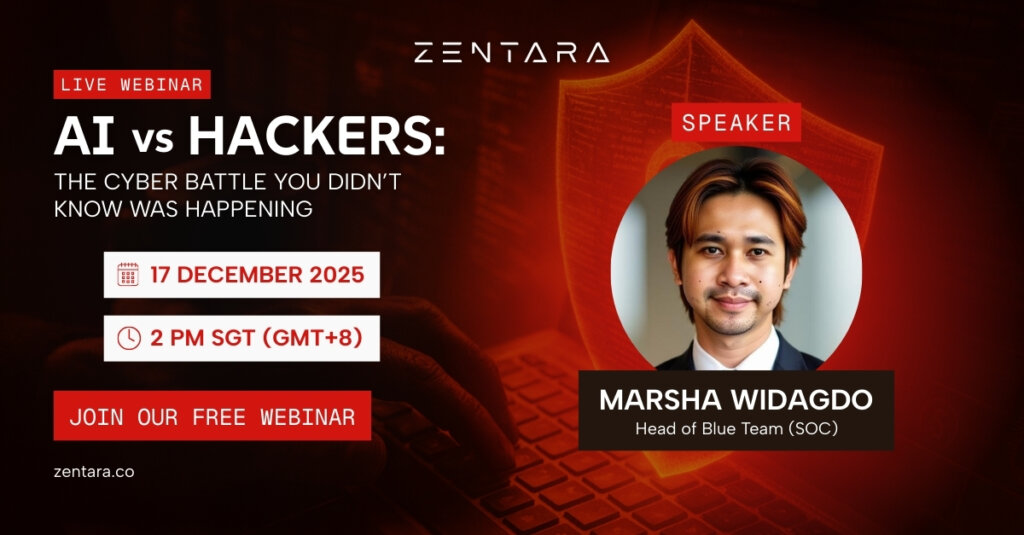
Watch our latest webinar below!